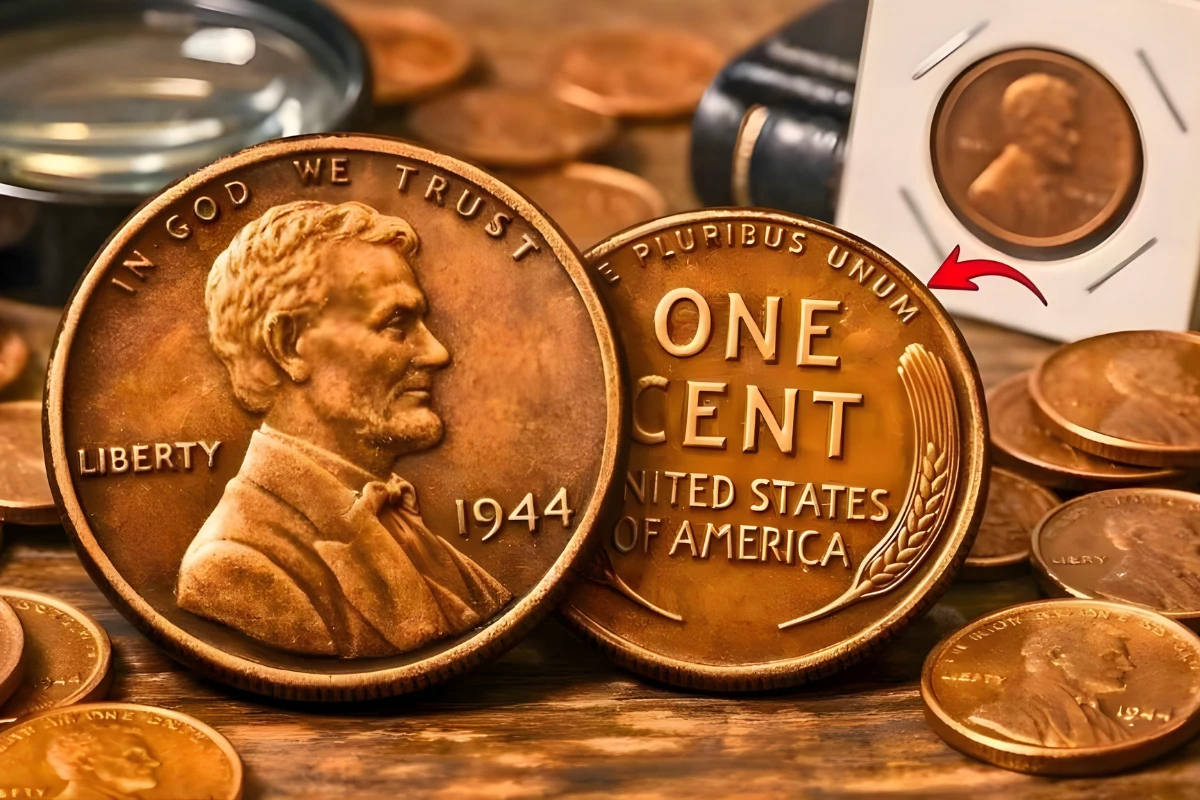
Wheat Penny Price Chart 2015-2026: Wheat pennies are among the most collectible coins in American numismatic history, minted between 1909 and 1958. These small copper coins have attracted considerable attention from collectors and investors over the past ten years. Understanding their price trends between 2015 and 2026 helps buyers and sellers make informed decisions. This guide explains the key price movements and factors shaping the wheat penny market.
Market Overview
Between 2015 and 2020, wheat penny prices remained fairly stable, with common dates trading between $0.05 and $0.25 in circulated condition. During this period, premiums began to be commanded by key dates and mint marks, as collector interest steadily increased. Online marketplaces made it easier for buyers to compare prices and identify undervalued coins. This accessibility helped create a more uniform national pricing baseline for most wheat penny varieties.
Key Date Value
Some wheat pennies command high prices due to their low mintage numbers and historical significance. The 1909-S VDB is one of the most valuable coins, consistently selling for $700 to over $1,000 in good condition throughout this period. The 1914-D and 1931-S also command significant premiums, rarely dipping below $150 in circulated grades. Collectors who prioritize specific dates have seen reliable value retention even during major economic fluctuations.

Reasons for Price Rise
Wheat penny prices rose between 2018 and 2022 for several reasons, including rising copper prices and the growth of the online collector community. The COVID-19 pandemic suddenly boosted the hobby as people began collecting during lockdown, significantly increasing demand. Auction results on major platforms have seen steady year-over-year increases for mid-grade examples. Coins with PCGS or NGC certified grades have particularly attracted strong competition from buyers and commanded premium prices.
Impact of Grade
The grade of coins plays a major role in determining the value of wheat pennies across all dates and mint marks. A common 1944 wheat penny in good condition can sell for $0.10, but a mint state grade can fetch $5 to $15. High-grade coins of rare dates can command prices hundreds of times higher than their circulated counterparts. Collectors have learned that investing in professionally graded coins offers more predictable resale results.

Recent Trends 2023-2026
Since 2023, the wheat penny market has shown continued strength, especially for uncirculated and red-designated coins. Young collectors entering the hobby helped maintain demand for inexpensive entry-level coins priced under $1. Meanwhile, top-tier rare coins continued to break auction records as high-net-worth collectors competed for the most popular coins. Despite significant economic pressures affecting other collectible categories, the overall market remained strong.
Smart Buying Tips
Buyers considering entering the wheat penny market should focus on coins with good appearance and original surfaces, rather than cleaned coins. Researching recently sold listings on major auction platforms provides the most accurate real-time pricing data. Purchasing certified coins reduces the risk of overpaying for problem coins or misidentified counterfeits. Building a focused collection around a specific period or mint mark series often provides greater long-term satisfaction and value.

Conclusion: Wheat Penny Price Chart 2015-2026
Wheat penny prices between 2015 and 2026 reflect a healthy and growing collector market, appealing to people of all experience levels. Common dates remain affordable entry points, while specialty dates continue to offer good returns to patient, knowledgeable collectors. Grade, originality, and market timing remain the three pillars of successful wheat penny collecting and investing. Whether you’re a casual hobbyist or a serious numismatist, understanding these price trends will help you make informed decisions going forward.